Do Memes Shape Opinions? The Truth Behind Viral Influence
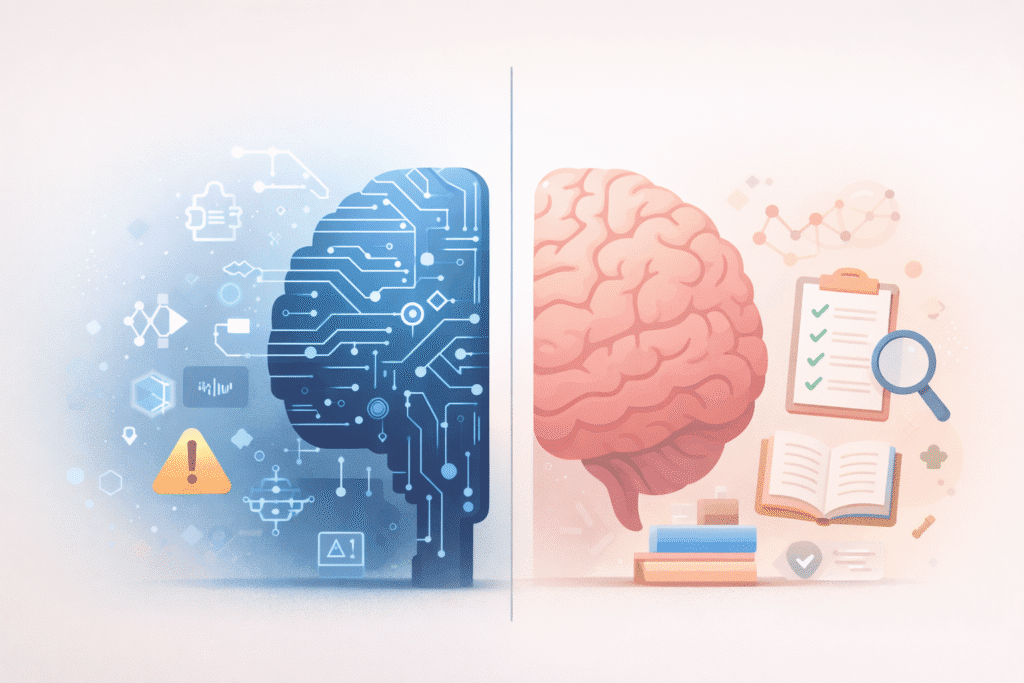
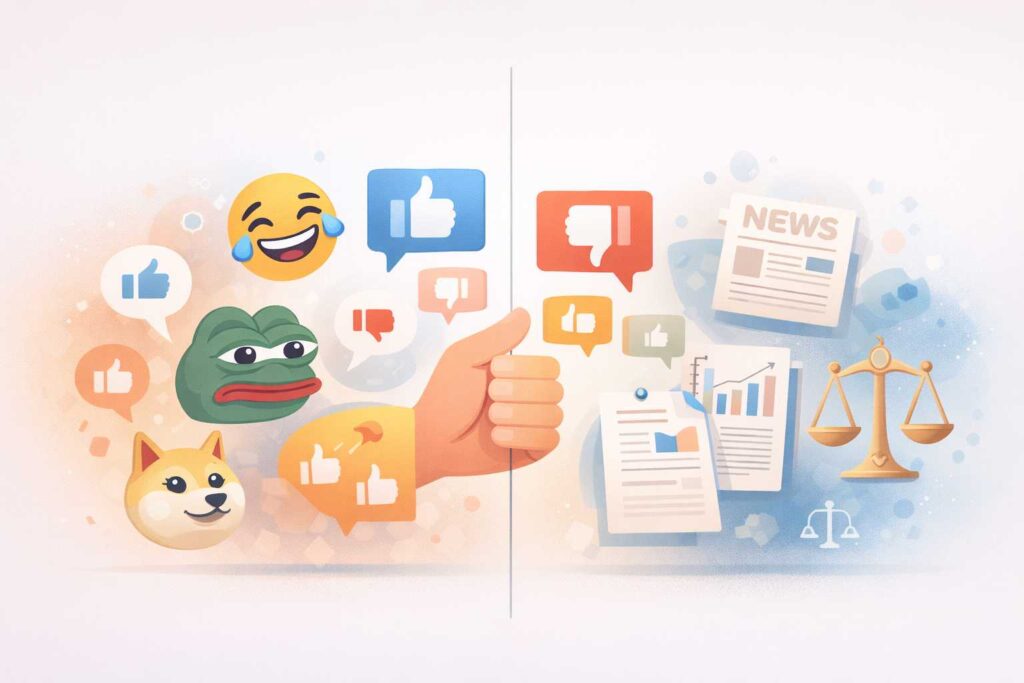
Memes Shaping Opinions: Truth vs Myth Explained | Science of Social Media MythBustingHub Analyzing Digital Culture with Scientific Rigor. Memes Shaping Opinions: Truth vs Myth Explained Published on January 1, 2026 | By MythBustingHub Research Desk Memes are everywhere. From Instagram and X (Twitter) to WhatsApp and Reddit, memes are no longer just jokes shared for entertainment. Many people now believe that memes shaping opinions is an active, widespread phenomenon affecting political views, social stances, and even personal beliefs. But is this claim fully true, or is it exaggerated? In this blog, we break down the viral claim and explain the psychological and scientific reality behind how memes influence human thinking. 🔥 Trending Hook “This claim is everywhere on Instagram…” “Memes control public opinion.” “People believe memes more than news.” “Elections are decided by memes.” These statements appear frequently in reels, threads, and opinion posts. But popularity does not equal proof. ❌ The Claim (Myth) 🎭 The Myth “Memes directly shape people’s opinions and control what they believe, effectively ‘reprogramming’ minds.” Reveal Scientific Reality Reality: Reinforcement, Not Creation Psychology and media research offer a nuanced explanation. Studies show that memes shaping opinions happens primarily through the reinforcement of existing beliefs rather than creating new ones from scratch. They work as cultural frames that influence how people feel about an issue, rather than being deep educators. 🧠 Why People Believe It There are strong psychological reasons why the idea of memes controlling minds feels so convincing: Emotional Impact: Humor, sarcasm, and relatability are remembered more easily than facts. Social Proof: High share counts make a viewpoint seem like the “popular” or “correct” one. Confirmation Bias: People share memes that align with their views, reinforcing their own circle. Visibility Over Depth: Memes spread faster than research, making them seem more dominant. Depth of Influence: Memes vs. Formal Information Comparison based on media psychology studies on belief formation. 🔬 What Science Actually Says Studies in cognitive psychology and communication science show that memes mainly: Reinforce existing beliefs Simplify complex ideas into binary “us vs them” formats Increase emotional engagement with a topic Influence the tone of a conversation, not the depth of reasoning 👉 Memes amplify opinions; they do not usually create them. Real opinion formation depends on long-term exposure to education, values, and social environment. ⚠️ Where the Confusion Comes From ❓ Do memes spread misinformation? Yes, but spreading is not the same as convincing. Most people absorb misinformation that already fits their worldview. ❓ Do memes influence undecided people? Sometimes at a surface level, but surface-level interest rarely translates into deep, belief-defining change. 🧩 What Memes Actually Do Well Instead of being mind-control devices, memes are effective at: Simplifying complex topics for quick digestion. Creating group identity through shared humor. Triggering discussion by making ideas visible. Normalizing certain viewpoints socially. ⚖️ Final Verdict Verdict: PARTLY TRUE ❌ Memes do not independently shape deep opinions ✔ Memes reinforce and normalize existing beliefs ✔ Memes influence emotions, not factual depth Frequently Asked Questions Do memes really shape opinions? Memes do not usually create new opinions. Research shows that memes mainly reinforce existing beliefs and influence emotions rather than shaping deep or long-term opinions. Why do memes feel so influential? Memes use humor, emotion, and relatability, which makes them memorable. High sharing creates social proof, making memes feel more powerful than they actually are. Are memes more influential than news or research? No. Memes are easier to consume but lack depth. News reports, research studies, and long-form content have a stronger impact on informed opinion formation. ⭐ Conclusion Memes are powerful cultural tools, but they are not mind-control devices. Blaming memes shaping opinions for total shifts in public thought oversimplifies human thinking. True opinion change comes from education, repeated exposure to credible sources, and personal experience. Understanding this helps us consume digital content more responsibly. 📚 Trusted References American Psychological Association (APA) Pew Research Center MIT Media Lab Oxford Internet Institute