Dangers of Home Remedies Misinformation: Why Blind Trust Can Be Harmful
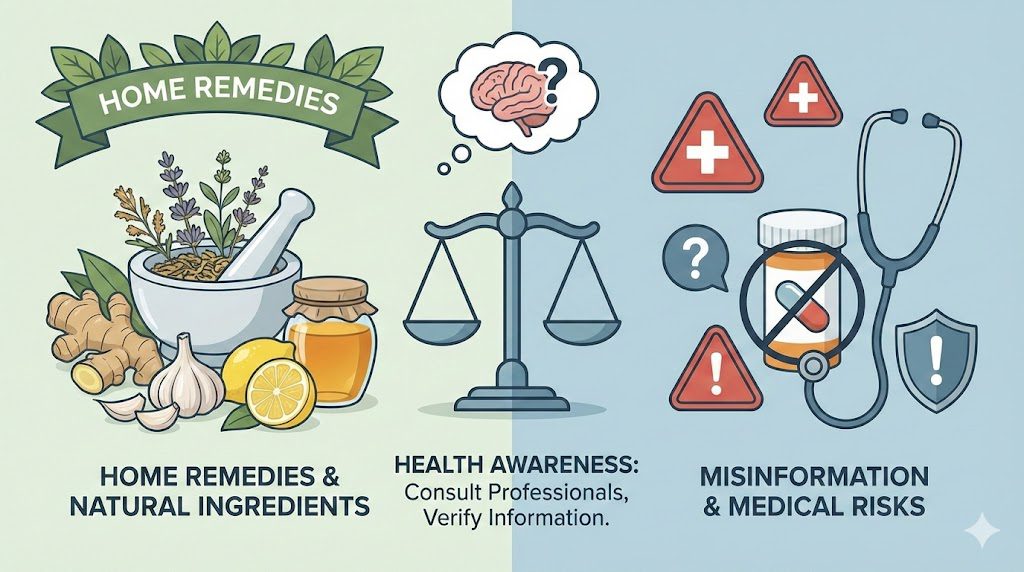
Dangers of Home Remedies Misinformation: Why Blind Trust Can Be Harmful MythBustingHub Where Tradition Meets Evidence-Based Truth. Dangers of Home Remedies Misinformation: Why Blind Trust Can Be Harmful Published on October 30, 2025 | By MythBustingHub Team Home remedies have been used for generations. From herbal teas to kitchen ingredients, many people rely on them for quick relief from common problems. While some traditional practices can be helpful, home remedies misinformation has become a serious concern, especially in the age of social media. The real danger begins when unverified advice is treated as guaranteed medical truth. This blog explores why home remedies misinformation can be harmful and why critical thinking is essential when following such advice. Why Home Remedies Misinformation Spreads So Easily One reason misinformation spreads quickly is because home remedies feel familiar and natural. Advice often comes from family members, online videos, or viral posts that claim “ancient wisdom” or “no side effects.” People also tend to trust personal stories more than scientific evidence. Unfortunately, popularity does not equal safety. Danger 1: Delaying Proper Medical Treatment ⏳ The Risk “Waiting for natural cures to work while a condition worsens.” Reveal the Risk Reality: Lost Time Costs Health One of the biggest risks of home remedies misinformation is delayed diagnosis. Some people rely solely on home remedies for serious conditions, assuming symptoms will go away naturally. In reality, delaying medical treatment can worsen diseases, making them harder to treat later. Timely intervention is critical. Danger 2: Incorrect Dosage and Usage ⚖️ The Risk “Assuming that because it’s natural, you can’t have too much.” Reveal the Risk Reality: Natural ≠ Safe Prescribed medicines have clear guidelines; home remedies often do not. Certain herbs, oils, or ingredients can cause severe harm if used in excess or incorrectly. Misinformation often ignores the potential for toxicity, allergic reactions, and long-term damage to organs like the liver or kidneys. Danger 3: Risk to Children, Elderly, and Vulnerable Groups 👶 The Risk “Applying adult-strength ‘wisdom’ to sensitive populations.” Reveal the Risk Reality: Complications Can Be Severe Children, pregnant individuals, and elderly people are especially sensitive to treatments. Advice that seems harmless for healthy adults can lead to allergic reactions or acute toxicity in these groups. This is where home remedies misinformation can lead to life-threatening complications. Danger 4: Mixing Home Remedies with Medicines 💊 The Risk “Hidden chemical interactions between ‘herbal’ and ‘pharmaceutical’.” Reveal the Risk Reality: Toxic Synergies Many people use home remedies alongside prescribed medication without telling their doctors. Some natural ingredients can interfere with medicines, reducing their effectiveness or causing unexpected, dangerous reactions. Misinformation rarely mentions these interactions. Danger 5: False Claims and Cure-All Promises 🚫 The Risk “Believing a single kitchen item can cure everything from cancer to colds.” Reveal the Risk Reality: Emotional Manipulation One major red flag is when home remedies are promoted as cures for everything. Claims that a single ingredient can treat multiple serious diseases are often exaggerated or false. Such misinformation creates false hope and emotionally manipulates vulnerable people. Why People Trust Misinformation over Science Tradition vs. Evidence Not all home remedies are useless. Some traditional practices are supported by research. The problem arises when tradition is treated as unquestionable truth. Evidence-based medicine relies on testing, observation, and verification. Home remedies should be viewed as supportive options, not replacements for medical care. How to Protect Yourself Be cautious of viral health advice and “instant cures.” Check information from reliable medical sources (e.g., WHO, Mayo Clinic). Consult healthcare professionals before trying new treatments. Question advice that discourages proper medical care. FAQ: Home Remedies Misinformation Q1. Are home remedies always safe because they are natural? A: No. Natural does not always mean safe. Some home remedies can cause side effects, allergies, or interact negatively with medicines if used incorrectly. Q2. Can home remedies replace medical treatment? A: Home remedies should not replace professional medical treatment, especially for serious or long-term conditions. They may offer comfort for minor issues but should be used carefully. Q3. Why is misinformation about home remedies dangerous? A: Misinformation can delay proper diagnosis, worsen health conditions, and create false confidence in unverified treatments. Q4. How can I verify if a home remedy is safe? A: Check information from reliable medical sources and consult a healthcare professional before trying new remedies, especially for children or elderly people. Q5. Is it safe to combine home remedies with prescribed medicines? A: Not always. Some ingredients in home remedies can interfere with medicines. It’s important to inform your doctor about anything you are using. Conclusion Home remedies can have a place in everyday life, but home remedies misinformation surrounding them can be dangerous. Blind trust, exaggerated claims, and rejection of medical advice put health at risk. The safest approach is balance. Use home remedies responsibly, stay informed, and never replace professional care with unverified advice. Informed choices matter more than viral trends.