Author name: pallavbindal15@gmail.com

Uncategorized

How Long is The Great Wall of China? Real Facts & The “Space View” Myth Busted

How Long is The Great Wall of China? Real Facts & The “Space View” Myth Busted MythBustingHub Separating Fiction from Fact, One Myth at a Time. How Long is The Great Wall of China? Real Facts & The “Space View” Myth Busted Published on September 16, 2025 It is one of the greatest architectural feats in human history. But one question always tops the search results: how long is the Great Wall of China, and is it truly massive enough to be seen from the moon? While we often see a stunning picture of the great wall of china winding endlessly over mountains, the truth about its visibility and exact length is often misunderstood. Let’s start with the facts and then bust the biggest myth surrounding this wonder of the world. The Myth “The Great Wall of China is the only man-made object visible from space (or the moon) with the naked eye.” Reveal the Truth The Fact “Astronauts have confirmed that the Great Wall is generally *not* visible to the naked eye from space. While it is incredibly long, it is too narrow and blends in with the surrounding landscape.” Great Wall of China: Answering The Big Question of Length When people ask how long is the Great Wall of China, they are often unaware that the structure is not a single, continuous wall, but a vast network of walls, trenches, watchtowers, and fortresses constructed across various dynasties. Its true length is astounding, which is what makes this architectural project so monumental. According to the most recent, comprehensive survey, the total length of all its branches and sections combined is: Total Confirmed Length: A staggering 21,196 kilometers (13,171 miles). Main Ming Dynasty Line: The section most visitors see and recognize, which is relatively well-preserved, is about 8,851 km long. This section is often what people are referring to when they search for the “great wall of china how long.” To put the immense scale into perspective: the Great Wall stretches over mountains, deserts, and grasslands—a true testament to ancient engineering. The sheer distance that the wall covers helps us understand why the myth about seeing it from space became so popular; logically, something so long must be visible! It is important to know the true distance covered by the wall when evaluating its historical importance and the effort involved in its construction. Understanding **how long is the Great Wall of China** helps highlight the scale of the construction effort over centuries. Knowing this detailed information allows us to appreciate the true majesty far more than any simple great wall of china photos could convey. Why Can’t You See It From Space? Despite being 21,000 km long, why is the wall invisible to the naked eye from Low Earth Orbit? The problem isn’t the distance the wall covers; it’s the lack of contrast and its narrow width. The “Hair” Effect: The wall is generally only about 6 to 9 meters wide. Viewing it from space is visually comparable to trying to spot a single kilometer-long thread lying on a football field. It’s too narrow for the human eye to resolve clearly. Camouflage: Unlike bright city lights or the clear contrast of high-contrast highways, the Wall was built using local stone, brick, and earth. This means in any genuine **great wall of china photos** taken from high altitude, it blends almost perfectly with the brown and grey mountains and terrain around it. It has no distinctive color or shape when viewed from orbit. Astronaut Confirmation: Many astronauts, including China’s own Yang Liwei, have personally confirmed they could not see the structure with the unaided eye, further busting this popular myth. Visualizing the Scale: Great Wall vs. Earth Since the distance is hard to visualize, let’s use data to show the true **how long is the Great Wall of China** is in comparison to the Earth’s scale. The Scale of the Great Wall Conclusion: Separating Fact from Fiction The myth that the Wall is visible from space is highly compelling but definitively **BUSTED**. However, the reality of **how long is the Great Wall of China**—a staggering 21,196 km—is arguably more impressive than the myth itself. Its immense length, documented in authentic **great wall of china photos**, is a true testament to human engineering and perseverance. Focus on the real facts, not the fiction! [00:00:26] Enjoyed this breakdown? Watch the full video on the MythBustingHub YouTube Channel!

Uncategorized

Does Reading in Dim Light Damage Your Eyesight? 👀

Does Reading in Dim Light Damage Eyes? A Doctor Weighs Myth vs. Fact MythBustingHub Separating Fiction from Fact, One Myth at aTime. Does Reading in Dim Light Damage Eyes? A Doctor Weighs Myth vs. Fact Published on September 28, 2025 It’s a warning passed down for generations: “Stop reading in that dim light, you’ll ruin your eyes!” But is this a hard medical fact, or a well-intentioned myth? We’re weighing the long-held beliefs against modern science to reveal the truth about permanent damage, short-term strain, and a surprising new discovery. The Myth “Reading in dim light will cause permanent eye damage and can lead to blindness.” Reveal the Truth The Fact “Reading in dim light does *not* cause permanent damage or blindness. However, it does cause very real *short-term* symptoms like eye strain, dry eyes, and headaches.” The “Myth”: No Long-Term Damage Let’s bust the biggest part of this myth first: reading in low light will not make you go blind. Your eyes are resilient. The idea that you are “using up” your eyesight or “wearing out” your eyes this way is not supported by science. The structure of your eye is not permanently harmed by the *act* of reading in dim light. The “Fact”: Short-Term Eye Strain is Real So why does everyone warn against it? Because the short-term effects are very real and uncomfortable. When you read in dim light, your eye muscles must work much harder to focus, and your pupils widen to let in more light. This causes: Digital Eye Strain: Your eyes feel tired, sore, or heavy. Dry Eyes: People tend to blink less when concentrating, leading to dryness and irritation. Headaches: The constant muscle tension from straining to see can easily trigger a tension headache. The “Nuance”: The New Scientific Link to Myopia This is where the myth gets complicated. While dim light itself doesn’t *damage* eyes, recent research has found a strong link between a *lack of bright, natural light* and the *progression* of myopia (nearsightedness) in children. So, a lifestyle that involves a lot of indoor time (often in lower light) and not enough time outdoors in bright, natural light *is* a risk factor for worsening eyesight. It’s not the dim light itself, but the *absence* of bright light that’s the problem. Compounding Risks: Phones and Reading Positions The problem gets worse when you combine dim light with modern habits: Reading on a Phone: Reading on a bright phone in a dark room is even harder on your eyes. The high contrast forces your pupils to struggle, increasing strain. Reading Lying Down: Reading lying down, especially on your side, can cause uneven focus and strain one eye more than the other, contributing to discomfort. Actionable Solutions: How to Read Comfortably You don’t need to damage your eyes, and you also don’t need to suffer from strain. The solutions are simple: Use Optimal Lighting: The best setup is a good, focused reading light that illuminates the page without causing glare. Follow the 20-20-20 Rule: Every 20 minutes, look at something 20 feet away for at least 20 seconds. This simple trick lets your eye muscles relax and helps prevent strain. Get Outdoors: Especially for kids, ensure plenty of time is spent outdoors in natural daylight to help combat the progression of myopia. Dim Light’s Real Effects on Eyes Conclusion So, while your parents were wrong about dim light causing blindness (Myth Busted!), they were right that it’s bad for you (Fact!). It causes real, temporary discomfort like eye strain and headaches. And the “Nuance” is that a lifestyle of *only* reading in low light (and not getting enough bright, natural light) is linked to the progression of myopia. The best solution? Just turn on a good light and remember to take breaks! Enjoyed this breakdown? Watch the full video on the MythBustingHub YouTube Channel!

Uncategorized

Do Cold Drinks Make Your Bones Weaker? 🥤 Myth Busted!

Cold Drinks and Bone Health: Do They Weaken Your Bones? Myth vs. Fact MythBustingHub Separating Fiction from Fact, One Myth at a Time. Cold Drinks and Bone Health: The Scientific Truth Behind the Myth Published on September 27, 2025 It’s a warning we’ve all heard: “Don’t drink that soda, it’s bad for your bones!” But do cold drinks weaken bones in the way we think? The fear is that fizzy drinks can somehow “leach” calcium or dissolve bone. This common cold drink bone weakness myth has persisted for decades, especially among teenagers and adults worried about osteoporosis. But what does the science actually say? Is it true that cold drinks damage bones, or is the reality more complex? The Myth “Drinking carbonated cold drinks will directly dissolve your bones or make them weaker.” Reveal the Truth The Fact “The act of carbonation itself doesn’t harm bones. However, ingredients in *some* cold drinks (like phosphoric acid in colas) and the high sugar content can *indirectly* harm bone health over time by affecting calcium absorption and overall nutrition.” Why Do People Think Cold Drinks Weaken Bones? This myth isn’t just a random story; it stems from a misunderstanding of what’s *in* fizzy drinks and how they work. Here’s the scientific explanation of the cold drink bone myth: The “Acid” Fear: Many people hear that soft drinks are “acidic.” They worry that this acid (like the acid in cold drinks) somehow travels through the body and dissolves bone. This is not how the body works. Your stomach is far more acidic, and your body has powerful systems (called buffers) to keep your blood’s pH level stable, regardless of what you eat or drink. The “Coke” Rumor: You may have seen videos of a tooth dissolving in coke. This takes weeks and doesn’t represent what happens in a human body. It’s a great example of a cold drink myth. The Real Effects of Cold Drinks on Bones So, if the acid doesn’t dissolve your bones, are cold drinks bad for bones at all? Yes, but the reasons are indirect and related to specific ingredients and habits. The daily cold drink side effects are real. Phosphoric Acid and Bone Health This is the most significant scientific link. Many dark-colored sodas (like colas) contain phosphoric acid for flavor. Your body needs a careful balance of calcium and phosphorus. Consuming too much phosphorus (from daily cold drinks) without enough calcium can disrupt this balance. To compensate, your body might pull calcium from your bones, which, over decades, could contribute to a higher soda and osteoporosis risk. The “Displacement Effect” & Cold Drinks Calcium Absorption This is the biggest problem, especially for teenagers. How cold drinks affect calcium levels is often a matter of replacement. When someone (a teen, for example) chooses to drink a large bottle of soda, they are *not* drinking a glass of milk, a calcium-fortified orange juice, or water. These sugary, fizzy drinks are “empty calories” that displace nutritious, bone-building beverages, leading to a cold drinks and calcium deficiency over time. Sugar and Bone Health High sugar intake from soft drinks and mineral absorption issues are linked. A diet high in sugar can lead to chronic inflammation and other metabolic problems, which can negatively impact the body’s ability to build and maintain strong bones. Real Reasons Soda Harms Bones (Conceptual) Conclusion: The Truth About Soft Drinks and Bone Health So, is it true that cold drinks damage bones? The myth that the carbonation or acid in a soda will *directly* weaken your bones is **BUSTED**. Simple carbonated water is fine. However, the *fact* is that a habit of drinking high-sugar, high-phosphoric-acid soft drinks and bone health do not mix. The risk isn’t a direct “melting” of bone, but an indirect, long-term harm caused by poor nutrition, calcium displacement, and mineral imbalances. An occasional cold drink is fine, but daily consumption is a real health risk. Myth Busted! Enjoyed this breakdown? Watch the full video on the MythBustingHub YouTube Channel!

Uncategorized

Does Drinking Milk Increase Cold & Cough? 🥛 Myth Busted!

MythBustingHub – Milk and Colds Myth MythBustingHub Separating Fiction from Fact, One Myth at a Time. Does Drinking Milk Increase Cold & Cough? 🥛 Myth Busted! Published on September 26, 2025 When you have a cold or a cough, what’s the first piece of advice you get? Often, it’s “Avoid drinking milk; it will make your cold and cough worse!” Many people believe that milk increases mucus production and thickens phlegm. But is this a medical fact or just another old wives’ tale? Let’s find out! The Myth “Drinking milk when you have a cold or cough will increase mucus production and make your symptoms worse.” Reveal the Truth The Fact “Research shows that milk does *not* cause colds, nor does it increase coughs or mucus production. It’s a common misconception based on how milk *feels* in the throat.” Breaking Down the Evidence ✔ The “Sticky” Illusion: Milk is an emulsion, meaning it’s thick. When you drink it, it can temporarily coat your throat and mix with saliva, making existing mucus feel thicker or more “sticky.” This is a temporary sensation, not an increase in production. [00:00:11] ✔ No Scientific Link: Studies and research have found no connection between drinking milk and an increase in cold or cough symptoms. [00:00:06] ✔ Supports Immunity: In reality, milk is a healthy drink that provides nutrients. These nutrients can even help support your immune system when it’s fighting off an illness. [00:00:16] Milk’s Effect on a Cold: Fact vs. Feeling Conclusion So, the idea that milk and coughs/colds are a bad mix is just a myth! It’s all about a temporary feeling in the throat, not a real medical effect. Milk is healthy and has no real connection to making your cold worse. Feel free to enjoy it! Myth Busted! [00:00:24] Enjoyed this breakdown? Watch the full video on the MythBustingHub YouTube Channel!

Uncategorized

Does Shaving Make Hair Grow Thicker? 🪒 Myth Busted

MythBustingHub – Shaving Myth MythBustingHub Separating Fiction from Fact, One Myth at a Time. Does Shaving Make Hair Grow Thicker? 🪒 Myth Busted Published on September 25, 2025 It’s one of the most repeated pieces of advice: “Don’t shave, your hair will grow back thicker and darker!” This belief has been around for generations, causing many to hesitate before picking up a razor. But is this a hard scientific fact, or just a widespread illusion? Let’s cut through the confusion and get to the root of this myth! The Myth “Shaving your hair causes it to grow back thicker, darker, and at a faster rate.” Reveal the Truth The Fact “Science confirms that shaving has absolutely no effect on the thickness, color, or rate of hair growth. It simply cuts the hair at the skin’s surface, which can change how it *feels* as it grows back.” Breaking Down the Evidence ✔ Science Says No: Scientific evidence clearly shows that shaving does not make hair thicker or increase its growth rate. [00:00:06] ✔ The “Blunt Edge” Illusion: The main reason people believe this myth is because shaved hair grows back with a blunt, flat edge. This blunt “stubble” feels rougher and more noticeable compared to the soft, tapered end of an uncut hair, creating the illusion of thickness. [00:00:12] ✔ No Follicle Effect: Shaving only affects the hair shaft above the skin. It does not interact with the hair follicle, which is located deep under the skin and is responsible for determining hair’s texture, color, and growth speed. [00:00:18] Impact of Shaving on Hair Growth Conclusion So, you can shave without any fear of your hair turning into a thick, dark forest. The feeling of “thicker” hair is just a temporary illusion caused by the blunt edge of the cut hair. Shaving has no impact on your hair’s actual growth or thickness. Another myth busted! [00:00:18] Enjoyed this breakdown? Watch the full video on the MythBustingHub YouTube Channel!

Uncategorized

Does Eating at Night Make You Fat? 🌙 Truth Revealed

MythBustingHub – Eating at Night Myth MythBustingHub Separating Fiction from Fact, One Myth at a Time. Does Eating at Night Make You Fat? 🌙 Truth Revealed Published on September 24, 2025 It’s a fear many of us have: as soon as the clock strikes 8 PM, the kitchen is off-limits. We’ve all heard the warning that eating late at night will lead to instant weight gain. But what about those “midnight Maggi” cravings? Is it really the time on the clock that matters, or is something else at play? Let’s shed some light on this common health myth! The Myth “Eating food late at night will automatically make you gain weight, regardless of what you eat.” Reveal the Truth The Fact “Weight gain is not determined by the *time* you eat, but by your *total daily calorie intake* versus your activity level. Eating at night doesn’t make you fat if your total calories for the day are balanced.” Breaking Down the Evidence ✔ A Common Misconception: The idea that food eaten at night instantly turns to fat is one of the most common health myths out there. [00:00:00] ✔ Calories In vs. Calories Out: The fundamental rule of weight management is energy balance. Weight gain happens when you consume more calories (energy) than your body burns, regardless of when those calories are consumed. [00:00:07] ✔ Day or Night, a Surplus is a Surplus: If your total calorie intake for the day is higher than your body’s needs, you will gain weight. This is true whether you eat those extra calories at noon or at midnight. [00:00:12] ✔ Enjoy Your Snack (Wisely): So, is that midnight snack safe? Yes, as long as it fits within your total daily calorie target. The food itself doesn’t become “more fattening” just because it’s late. [00:00:19] What Actually Causes Weight Gain? Conclusion Feel free to have that snack if you’re genuinely hungry, but be mindful of your total daily intake. It’s the overall balance of calories and activity that determines your weight, not the clock on the wall. Nighttime eating itself doesn’t make you fat! Myth Busted! [00:00:19] Enjoyed this breakdown? Watch the full video on the MythBustingHub YouTube Channel!

Uncategorized

Brown Bread Healthy Hai? Ya Sirf Colour Ka Khel? 🍞✨

MythBustingHub – Brown Bread Myth MythBustingHub Separating Fiction from Fact, One Myth at a Time. Is All Brown Bread Truly Healthy, Or Just a Colour Trick? 🍞✨ Published on September 22, 2025 Walking through the supermarket aisle, brown bread often catches our eye as the healthier alternative to white bread. We instinctively reach for it, assuming it’s lower in calories and packed with nutrients. But is this brown-colored loaf always the healthy champion we believe it to be, or is there a clever marketing trick behind its appearance? Let’s slice into this trending food myth! The Myth “All brown bread is inherently healthy, low in calories, and a superior choice compared to white bread.” Reveal the Truth The Fact “Brown bread is not automatically healthy. Many brands simply add caramel coloring and a small amount of wheat flour, making it appear ‘brown’ without offering the full benefits of whole grains. The real health comes from 100% whole wheat or whole grain content, not just the color.” Breaking Down the Evidence ✔ Colour Can Be Deceiving: Many brown breads get their color from added ingredients like caramel or molasses, not from being made entirely with whole grains. This can create a false impression of healthiness. [00:00:05] ✔ Read the Ingredient List: The most crucial step is to check the ingredient list. Look for “100% whole wheat” or “100% whole grain” as the first ingredient to ensure you’re getting genuine whole grain benefits. [00:00:18] ✔ Nutritional Value: True whole grain bread contains more fiber, vitamins, and minerals compared to refined white bread. These nutrients are essential for digestion, sustained energy, and overall health. [00:00:11] ✔ Don’t Judge a Book by Its Cover: Or in this case, bread by its color. The true health benefits are found in the actual ingredients, not just in a brown hue. [00:00:25] What Makes Bread Truly Healthy? Conclusion Next time you’re at the supermarket, don’t fall for the brown bread illusion! While some brown breads are indeed a healthier choice, it’s vital to be an informed consumer. Always check the labels for “100% whole wheat” or “whole grain” to ensure you’re getting the nutritional benefits you expect. Don’t let color be the only factor in your healthy choices! Myth Busted! [00:00:32] Enjoyed this breakdown? Watch the full video on the MythBustingHub YouTube Channel!

Uncategorized

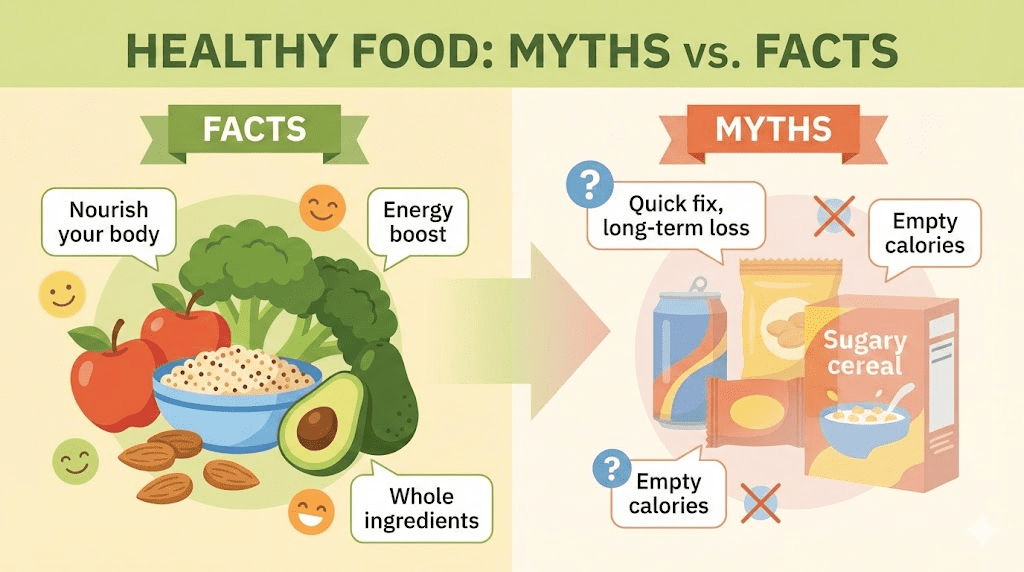
Does Detox Water Really Help You Lose Fat? 😱

MythBustingHub – Detox Water and Fat Loss Myth MythBustingHub Separating Fiction from Fact, One Myth at a Time. Does Detox Water Really Help You Lose Fat? 😱 Published on September 21, 2025 Scroll through Instagram or any health blog, and you’re bound to see pictures of vibrant detox water – mint, cucumber, lemon, and a host of other ingredients, all promising rapid weight loss and detoxification. It looks fresh, it sounds healthy, but is there any scientific truth to these claims? Let’s dive into this trending health myth! The Myth “Detox water, infused with various fruits and herbs, directly burns fat and leads to significant weight loss.” Reveal the Truth The Fact “Detox water is refreshing and good for hydration, but it doesn’t directly burn fat. Weight loss is a complex process driven by a calorie deficit, a healthy diet, exercise, and patience, not magical water.” Breaking Down the Evidence ✔ Taste vs. Fat Loss: While detox water tastes fresh and can be a pleasant way to consume more fluids, it does not directly cause fat reduction. [00:00:09] ✔ The Real Path to Weight Loss: Sustainable weight loss is achieved through a consistent calorie deficit (eating fewer calories than you burn), a balanced and healthy diet, regular physical exercise, and consistent effort. [00:00:16] ✔ Your Body’s Natural Detox System: The human body is incredibly efficient at detoxifying itself. Your kidneys and liver are constantly working to filter out toxins, making external “detox” products largely unnecessary. Detox water is more of a health trend than a functional detoxifier. [00:00:22] ✔ Hydration is Key, But Not Magic: Staying well-hydrated is crucial for overall health and can support weight management by making you feel full, but detox water isn’t a magical weight-loss potion. [00:00:28] Key Pillars of Healthy Weight Loss Conclusion So, can you enjoy detox water? Absolutely! It’s a great way to make water more appealing and boost your hydration. But if your goal is fat loss, remember there are no shortcuts. Focus on a balanced diet, regular exercise, and patience for real, lasting results. Your body already has its own amazing detox system! Myth Busted! [00:00:37] Enjoyed this breakdown? Watch the full video on the MythBustingHub YouTube Channel!

Uncategorized

Can Getting Caught in the Rain Give You a Cold? 🌧️😱

MythBustingHub – Rain and Colds Myth MythBustingHub Separating Fiction from Fact, One Myth at a Time. Can Getting Caught in the Rain Give You a Cold? 🌧️😱 Published on September 20, 2025 It’s a classic warning we’ve all heard: “Don’t go out in the rain, you’ll catch a cold!” Our mothers and grandmothers have been telling us this for generations. But is there any truth to this age-old advice, or is it just another common myth soaking up our beliefs? Let’s clear up the clouds on this one! The Myth “Getting wet in the rain directly causes you to catch a cold or flu.” Reveal the Truth The Fact “Getting wet itself doesn’t cause a cold. Colds and flu are caused by viruses. You get sick when you’re exposed to these germs, not just from being wet!” Breaking Down the Evidence ✔ Viruses are the Culprits: Colds are caused by rhinoviruses, and the flu by influenza viruses. You need to come into contact with these specific germs to get sick. Being wet doesn’t introduce them into your body. [00:00:06] ✔ Weakened Immune System (Indirect Factor): While getting chilled can *temporarily* weaken your immune system, making you potentially more susceptible if a virus is already present, it’s not the rain itself that makes you sick. The real culprit is always the germ. [00:00:17] ✔ Indoor Transmission: People often get colds more in colder weather because they spend more time indoors in close proximity, increasing the chances of virus transmission. It’s the people, not the precipitation! [00:00:17] ✔ Rain Dance is Safe: So, feel free to enjoy a rain dance (safely, of course!). Just make sure to wash your hands and avoid people who are actively sick to protect yourself from viruses. [00:00:24] Factors in Catching a Cold Conclusion The next time someone warns you about getting sick from rain, you can tell them the real story! While it’s always good to dry off and stay warm to be comfortable, it’s the invisible viruses, not the rain, that cause colds and flu. So, don’t blame the weather for your sniffles; blame the germs! Myth Busted! [00:00:24] Enjoyed this breakdown? Watch the full video on the MythBustingHub YouTube Channel!

Uncategorized

Will Drinking Milk Make Your Bones Super Strong? 🦴💪

MythBustingHub – Milk and Strong Bones Myth MythBustingHub Separating Fiction from Fact, One Myth at a Time. Will Drinking Milk Make Your Bones Super Strong? 🦴💪 Published on September 19, 2025 We’ve all heard it since childhood: “Drink your milk, and you’ll have bones of steel!” It’s a message plastered on TV ads and told to us by our parents. Milk is famous for its calcium, but does it really have the superpower to make our bones invincible? Let’s pour a glass of truth and find out! The Myth “Drinking a lot of milk is all you need to get super strong, unbreakable bones.” Reveal the Truth The Fact “While milk provides calcium and does help with bone strength, it’s not a magic bullet. Truly strong bones come from a combination of factors, not just milk alone.” Breaking Down the Evidence ✔ Milk’s Role: Milk is a good source of calcium, which is a building block for bones and certainly contributes some strength. However, it’s just one piece of the puzzle. [00:00:07] ✔ Beyond the Carton: Real-life bone health depends on much more than one drink. A balanced diet, regular exercise, and sufficient Vitamin D are crucial for strong bones. [00:00:18] ✔ The “Ad Myth”: The idea of getting superhero-like bones just from milk is largely a marketing concept. It oversimplifies the science of bone health for advertising purposes. [00:00:18] ✔ No Shortcuts to Strength: Relying only on milk for bone health won’t work. It’s an important part of a healthy lifestyle, but not a replacement for one. There’s no single shortcut to super bones! [00:00:33] What Really Builds Strong Bones? Conclusion So, should you stop drinking milk? Not at all! It’s still valuable. But the belief that it’s the only thing you need for strong bones is a myth. A healthy, active lifestyle with a varied diet is the true secret to building a strong skeleton. Don’t just rely on milk! Myth Busted! [00:00:24] Enjoyed this breakdown? Watch the full video on the MythBustingHub YouTube Channel!

Scroll to Top